2026 Crypto Downturn: Will Crypto Ever Recover? The Shocking Truth Behind the Crash and What’s Next

What if the crypto market’s collapse isn’t the end—but a turning point? Bitcoin is down 48.5% year-over-year, Ethereum 59.6%, and the total market cap now sits at $2.1T, 52% below its 2025 peak. But is this the death knell for crypto, or just the beginning of a new chapter?
How the 2026 Crypto Downturn Marks a New Era
The 2026 crypto downturn isn’t just another bear market—it’s a seismic shift in how the world views digital assets. Bitcoin and Ethereum, the market’s twin pillars, have plummeted 48.5% and 59.6% year-over-year, respectively, while the total market cap now hovers at $2.1 trillion—a gut punch 52% below its 2025 peak. This isn’t a crash fueled by a single broken bridge or a rogue exchange collapsing. No, this is a broad-based hemorrhage, like a dam cracking across its entire foundation.
In 2022, crypto’s downfall felt like a house fire: FTX, Terra, and Celsius were the smoke, and the industry’s trust burned with them. But 2026? It’s more like a slow, creeping fog. Institutional investors—once crypto’s silent backbone—are rotating out en masse, swapping Bitcoin for AI stocks and semiconductor plays. The Federal Reserve’s rate hikes and persistent inflation didn’t just dampen enthusiasm; they rewired the entire capital flow. Think of it as the crypto world’s version of The Hunger Games: instead of one arena, it’s a systemic collapse where everyone’s losing.
Stablecoins, oddly, remain a bright spot, sitting at $301 billion—proof that liquidity hasn’t entirely evaporated. But even they can’t mask the elephant in the room: Bitcoin’s dominance has fallen from near 90% to 56%, and the market’s heartbeat is now driven by prediction markets and speculative altcoins, not institutional faith. The 2026 crash isn’t a “crypto winter” in the old sense. It’s a colder, more clinical version, where the problem isn’t failure—it’s apathy.
And here’s the kicker: no one’s screaming “buy the dip.” In 2022, retail traders panicked; in 2026, institutions are quietly walking away. The next chapter? Who knows. But one thing’s clear—this downturn isn’t just different. It’s deeper.
What Could Spark a Crypto Comeback?

The 2026 crypto downturn feels like a storm that’s been raging for months—Bitcoin’s price languishing near $64,400, altcoins crumbling, and institutional investors eyeing the market like it’s a sinking ship. But storms don’t last forever. What could spark a comeback? Let’s peek through the clouds.
Fed Rate Cuts: The Wind Beneath Risk Assets
Imagine the Fed’s interest rates as a dam holding back a river. Right now, rates hover between 3.5% and 3.75%, keeping liquidity in check. But if the Fed starts easing, that dam could crack. Lower rates mean cheaper borrowing, which historically makes risk assets like Bitcoin more appealing. Think of it as a lifeline for crypto: when bonds and treasuries offer less return, investors might finally look elsewhere.
Legislation: The Light Switch in the Dark
The Digital Asset Market Clarity Act is the closest thing crypto has to a light switch in a dark room. If passed, it could untangle regulatory knots that have left investors second-guessing every move. The SEC’s recent commodity classification of 16 major crypto assets and Japan’s stock-like regulations are steps forward, but clarity remains elusive. For now, the market is stuck in a holding pattern, waiting for lawmakers to flip the switch.
Bitcoin’s 56% Dominance: A Signal, Not a Guarantee
Bitcoin’s grip on the market at 56% dominance is a curious thing. It suggests institutional confidence—but only if ETFs stabilize. Picture Bitcoin as a ship needing a steady wind to sail. ETFs, once a goldmine for inflows, have turned into a leaky hull, with $5.4 billion in net outflows during 2026’s first half. If those ETFs can plug the leaks and regain traction, Bitcoin might finally break free from its rut. But if not? Well, the ship stays grounded.
The path back isn’t a straight line—it’s a dance between macroeconomic shifts and policy pivots. Will the Fed cut rates? Will Congress pass clarity? Can ETFs stop bleeding money? Each step forward feels like a game of Jenga: one wrong move, and the whole structure crumbles.
But here’s the thing: crypto’s not dead. It’s just… hibernating. And hibernation ends when the right triggers fire. What’s yours?
Stablecoins and Tokenized Assets: The Silent Lifeline
In the stormy seas of the 2026 crypto downturn, stablecoins are the lifeboats keeping the market afloat. At $301 billion—13% of the entire crypto market—they’ve weathered the turbulence better than most. Think of them as the steady hand in a world of wild swings, providing a reliable anchor when altcoins are tossed about by volatility.
Tokenized real-world assets, like a $22.5 billion bridge between physical and digital worlds, are quietly building momentum. Imagine owning a slice of Manhattan or a rare painting, all wrapped in code. These assets aren’t just surviving—they’re proving that crypto’s utility extends beyond speculation.
While altcoins crash like a meme coin on a rollercoaster, stablecoins and tokenized assets hum along, less flashy but far more durable. They’re the “I’ll be here when the dust settles” crowd, contrasting sharply with the chaos of leveraged bets and speculative frenzies.
This isn’t just resilience—it’s a blueprint for the future. As the crypto world grapples with its worst downturn since 2022, these sectors whisper a quiet truth: the market isn’t dead. It’s just learning to breathe again. What happens next? Stay tuned.
Crypto and the Geopolitical Chessboard
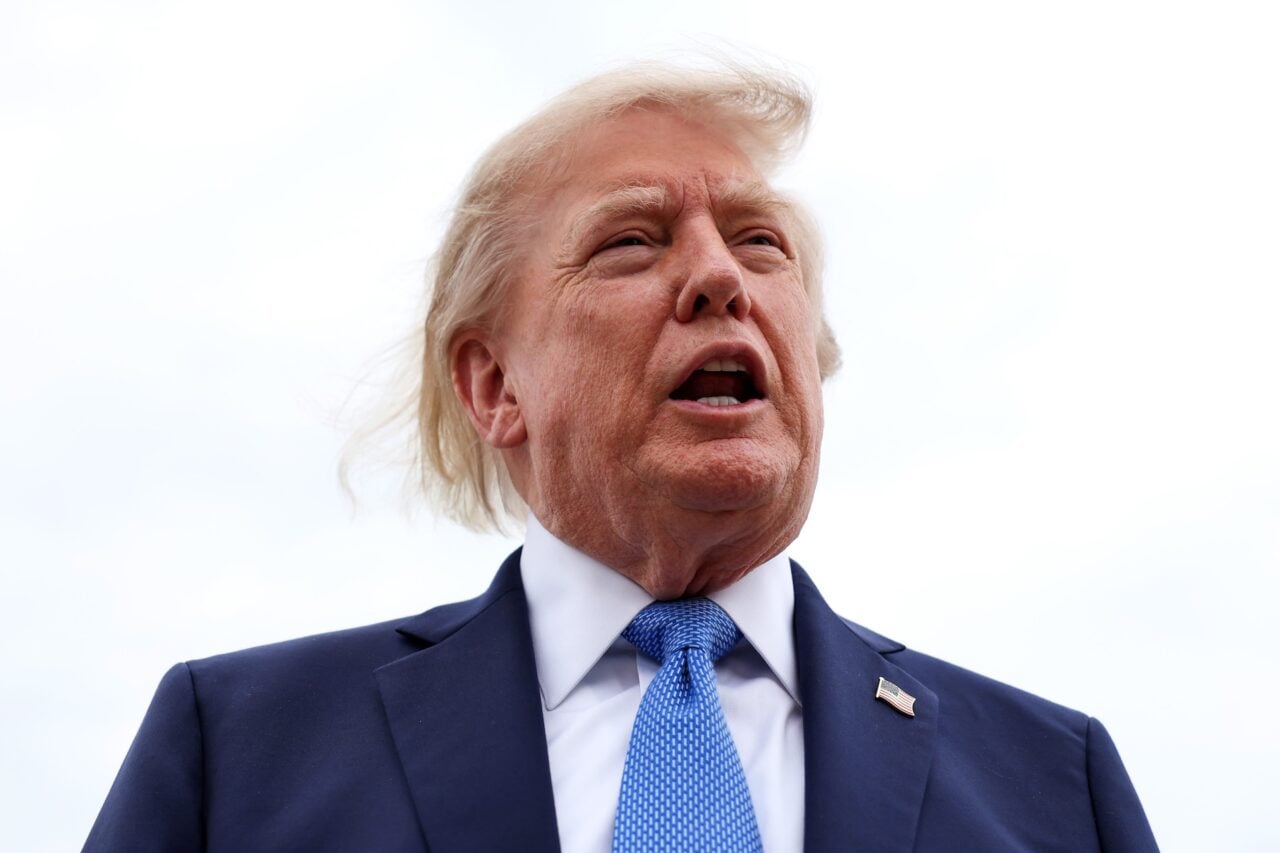
Imagine this: A Trump rally in Florida, where a billionaire from the UAE slips a $500 million check to a Trump associate, whispering about “global opportunities.” It’s not just money—it’s a geopolitical chess move, blurring lines between power and crypto. Meanwhile, in Tokyo, Japan’s finance ministry is reclassifying crypto as a stock, sending shockwaves through markets. Suddenly, Bitcoin isn’t just a digital gold rush—it’s a regulated asset, subject to the same scrutiny as Wall Street.
The world’s biggest crypto crash of 2026? It’s not just numbers on a screen. It’s a story of trust, power, and a president who turned crypto into a political battlefield. Paul Krugman, the economist who once called Bitcoin “a speculative fad,” is now on Bloomberg, staring at the wreckage. “This isn’t just a market crash,” he says. “It’s a crisis of faith.” And that faith is tied to Trump. The same man who promised to “make crypto great again” now has investors questioning if Bitcoin’s future is as fragile as his poll numbers.
Japan’s new rules? They’re a mirror to the West. By treating crypto like stocks, Tokyo is forcing the global market to confront reality: This isn’t a wild west anymore. Institutions are watching, regulators are tightening nooses. And when the Fed keeps rates stubbornly high, crypto’s liquidity drought deepens. It’s like a drought in the desert—no rain, no growth.
But here’s the kicker: The 2026 downturn isn’t just about Trump or tariffs. It’s about a generation of investors who bet on a future that never arrived. MicroStrategy’s $12.4 billion loss? That’s the sound of a once-mighty hedge fund hitting the brakes. And when Democrats tweet “Yikes” over a crypto crash, it’s not just mockery—it’s a reminder that this isn’t just money. It’s a cultural war.
The question isn’t whether crypto will recover. It’s who’ll survive the fallout. And as Trump’s UAE allies watch their bets sour, one thing is clear: The next chapter of crypto’s story isn’t written in code. It’s written in geopolitics—and it’s just getting started.
Crypto’s Future: A Question of Resilience
The crypto world in 2026 feels like a rollercoaster with its brakes mysteriously removed. Bitcoin, once flirting with $125,000, now hovers near $64,000—a 50% plunge from its peak. The numbers paint a stark picture: $5.4 billion vanished from Bitcoin spot ETFs in the first half of the year, the worst outflow streak ever recorded. It’s as if the market’s collective confidence took a nosedive, leaving investors clutching their seats, wondering if this is the end of the ride or just a steep dip.
Coinbase, once a beacon of crypto’s growth, now faces a 44% drop in trading volume this year. Yet, there’s a flicker of hope: analysts predict a 32% rebound by 2027. It’s the crypto version of a “holding pattern”—stuck in limbo, waiting for a signal to take off again. But what if the signal never comes? The same question haunts MicroStrategy, which recently sold 32 BTC, a tiny fraction of its holdings but a symbolic shift.
Institutional players, once bullish, now seem cautious, their wallets tightening like a clenched fist. The debate rages: is this a temporary setback or the beginning of the end? Proponents argue that crypto’s infrastructure remains intact. No major exchange has collapsed, and stablecoins still hold $301 billion. The Federal Reserve’s rate hikes may have stifled growth, but a future easing could reignite interest.
Meanwhile, critics point to the broader trend—AI stocks surging, institutional funds rotating out, and ETF redemptions draining liquidity. It’s not just about numbers; it’s about why crypto matters. Imagine Bitcoin as the protagonist in a sci-fi novel. For years, it’s been the hero, defying gravity and rewriting financial rules. But now, the plot thickens. Is this the moment the hero falls, or is it a setup for a bigger arc? The answer hinges on whether crypto can prove it’s more than a speculative asset—a real utility, a store of value, a bridge to a decentralized future.
Yet, the air feels different. The “HODL” mantra, once a rallying cry, now sounds like a prayer. Will 2027 bring a rebound, or will the market finally acknowledge that crypto’s story is just one chapter in a much longer book? The question lingers, unanswered, like a cliffhanger.
Conclusion
The 2026 downturn is a test of crypto’s resilience—and humanity’s faith in its future.
Will you bet on a comeback, or walk away? What’s your crypto story in this chapter?
References
- investopedia.com/cryptocurrency-news-5114163
- 2026 Crypto Downturn: Will Crypto Ever Recover?
- William Blair cuts Coinbase forecasts but says crypto downturn...
- Crypto Bloodbath Explained: Why Crypto Prices Can Collapse
- Bitcoin Crashes as Crypto Investors Whine About People Making Fun...
- Cryptocurrency pricing, market & regulation news - Yahoo Finance
- cnbc.com/cryptoworld