Sony's 2028 Deadline: The End of Physical Games and What It Means for Gamers
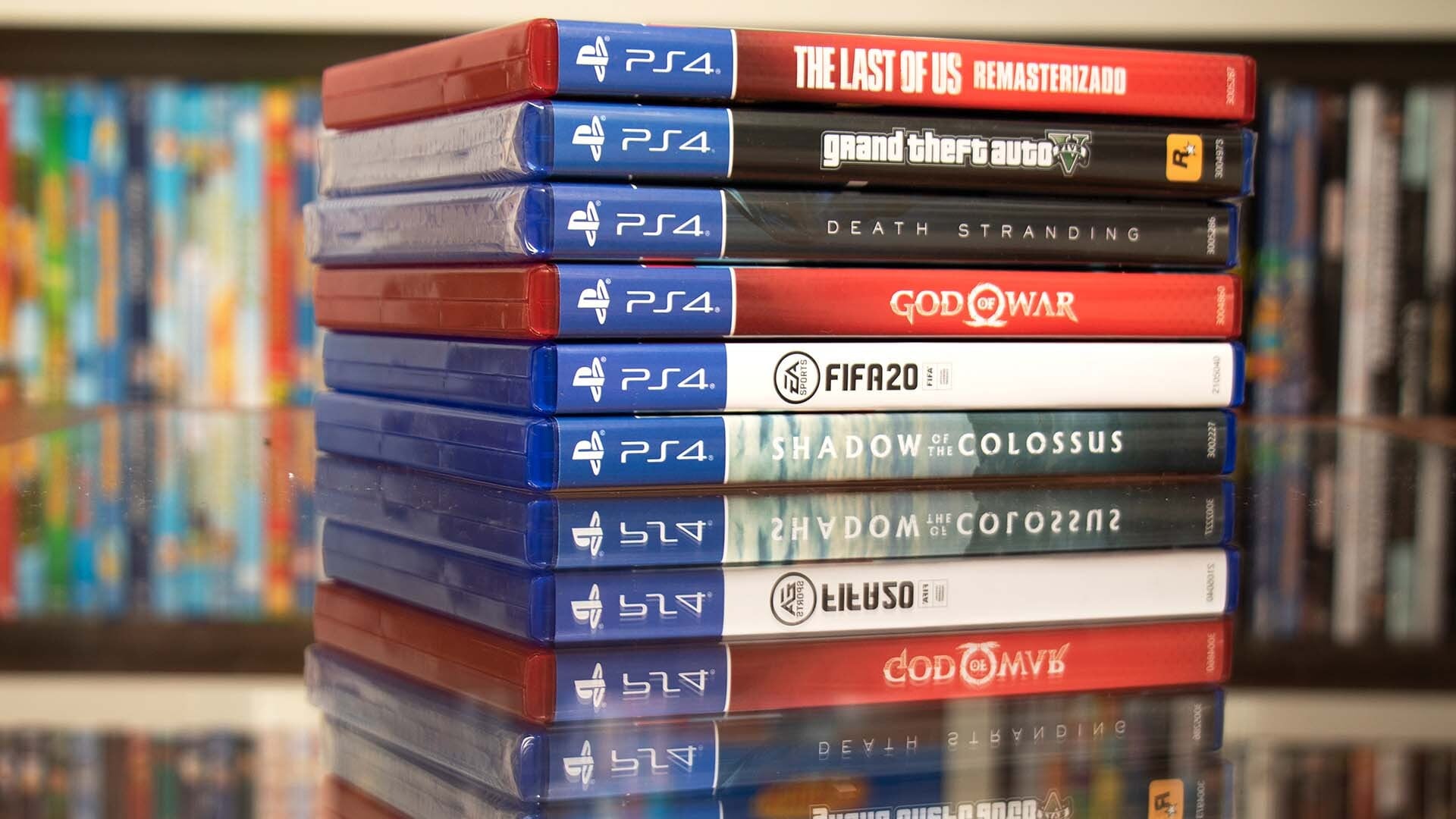
Sony is set to phase out physical PlayStation discs by 2028, marking a significant shift in the gaming industry. This move raises questions about whether it signifies the end of an era or the dawn of a new gaming revolution. As retailers close their doors and collectors rush to preserve their collections, one pressing concern emerges: will our cherished games vanish forever?
The Digital Revolution: Why Sony is Saying Goodbye to Discs

The shift to digital gaming isn't just a trend—it's becoming the norm. By 2025's fourth quarter, 85% of PlayStation 4 and 5 users were already downloading their games, much like how we stream music through Spotify instead of buying CDs. This transition isn't merely about convenience; it also brings significant benefits for both companies and consumers.
Sony's move eliminates the need for manufacturing physical discs, reduces shipping logistics, and cuts down on retail space. For players, this means instant access to games without waiting for deliveries. It's akin to ordering a pizza—no more lengthy waits. The idea of mailing a disc halfway around the world just to enable a download feels outdated, much like the PS3's Blu-ray drive.
Digital gaming offers unparalleled convenience. Gone are the days of tracking down discs or worrying about lost items. Imagine the gaming equivalent of Netflix—streaming games effortlessly. Even "Grand Theft Auto 6's" digital release hints at this new reality. By 2028, all PlayStation games will be digital-only, a move that feels less like a leap and more like a natural evolution.
Sony isn't just following trends; they're leading them. The industry's shift away from physical media is swift, much like how CDs have faded into obscurity. With the PS6 potentially ditching disc drives, this could signal a new era in gaming.
The Retail Fallout: How GameStop and Others Are Feeling the Heat
The closure of over 1,300 GameStop stores by 2026 marks the end of an era for these retail hubs, once vibrant centers of gaming culture. For employees like Maria, a Texas store manager, it's more than just a corporate decision—it's a personal loss. "We knew every game by heart," she reflects, now feeling obsolete in a rapidly changing market.
This shift isn't merely about convenience; it's a seismic industry change leaving many scrambling to adapt. The release of "Grand Theft Auto 6" as a digital code in a box highlights this evolution, with fans questioning the value of a physical purchase when it ultimately leads to a download.
GameStop is attempting to diversify through trade-ins and esports sponsorships, but these efforts feel like temporary fixes. Sony's 2028 plan to end physical disc production accelerates this transformation, making legacy systems like the PS3's disc drive obsolete. Collectors mourn the loss of tangible items, while workers face an uncertain future.
The human toll is evident in shuttered stores and employees displaced. Parents can no longer gift their children a physical game starter kit, and retailers continue to bet on a future already arrived.
The Collector's Dilemma: Will Your Games Disappear?
Imagine holding a cherished disc from "The Legend of Zelda: Ocarina of Time," a relic of childhood memories. Now envision that same experience replaced by a code card—a fleeting digital promise. Sony's shift raises concerns about the permanence of digital ownership, with past incidents like deleted movie libraries serving as stark reminders that digital content can vanish.
While some embrace this change, others are archiving analog media to preserve gaming history. This movement mirrors vinyl revivals, ensuring the past isn't lost in server logs. For now, collectors can hold onto their discs, but the future of tangible media remains uncertain.
Legacy Systems in Limbo: What Happens to Your Old Consoles?
The shutdown of PlayStation Stores for PS3 and Vita by 2027 leaves behind a dormant library, much like a box of old toys. While these purchases remain accessible, it's unclear if newer systems will support legacy discs. Sony's silence on backward compatibility adds to the mystery, leaving fans wondering about their gaming heritage.
The fragility of digital legacy is evident in past missteps, where content was removed without warning. This era shift leaves collectors questioning how their cherished games will survive in a digital world.
The Future of Gaming: PS6 and the Disc Drive Debate
Sony's 2028 decision positions digital as the future, with the PS6 potentially resembling a media box rather than a console. Microsoft's hybrid approach, digitizing existing collections, offers a middle ground but faces challenges akin to preserving VHS in a 4K world.
The financial impact of AI on hardware costs could inflate console prices, making gaming a luxury. This raises questions about whether digital-only models will become inevitable or if hybrid systems can bridge the gap.
Conclusion
Sony's 2028 move is a cultural milestone for gaming—a choice between embracing digital convenience and preserving tangible memories. As the industry evolves, the question remains: what legacy are we willing to preserve?
References
- Sony to end physical PlayStation game disc production in 2028 | TechCrunch
- Physical disc production ending in January 2028 for new games ...
- Sony Just Killed Discs: Physical Disc Production to End January 2028 for New Games Releasing on PlayStation Consoles in 'Watershed Moment for the Industry'
- Sony will cease production of discs for new PlayStation games in 2028
- PlayStation will end physical disc production for new games in 2028
- Sony Ending All Physical PlayStation Game Discs Starting In 2028
- PlayStation Ending Games on Physical Discs in 2028 - Variety