Final Fantasy Resonance Preview: How Square Enix Reimagined Retro RPGs for a New Generation
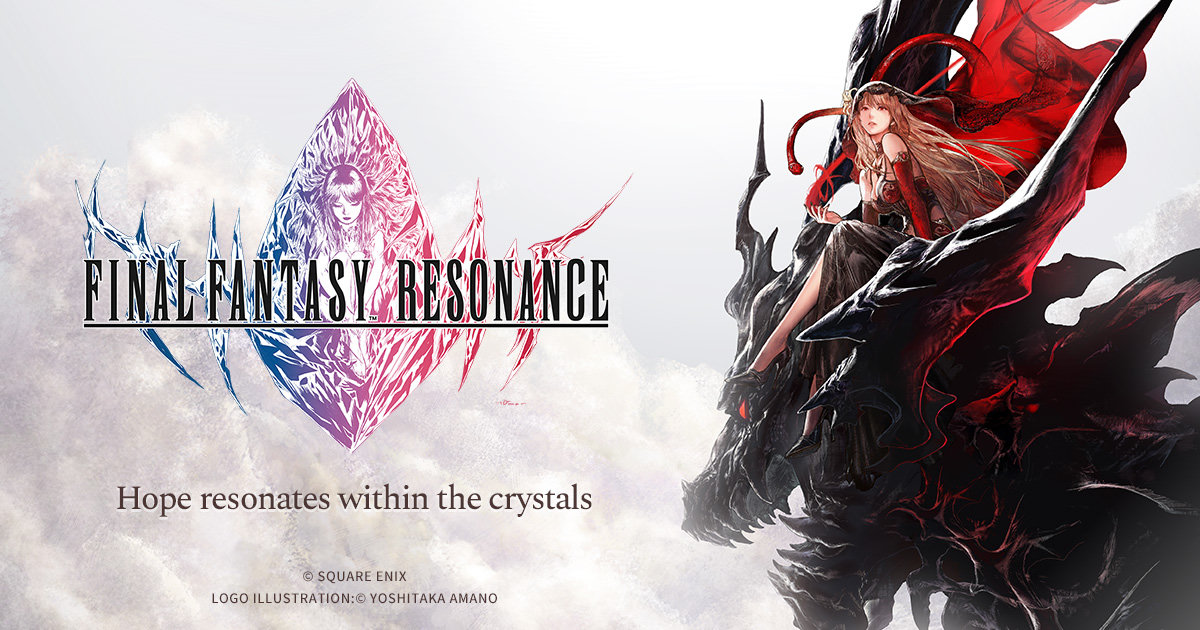
What if you could relive the magic of classic Final Fantasy games—complete with pixel art nostalgia—but with combat systems so fresh they feel like a brand-new universe? Final Fantasy Resonance might just be the answer.
The HD-2D Revolution: Nostalgia Meets Modern Mastery
Imagine walking into a retro arcade, but the screens are 4K monitors. That’s Final Fantasy Resonance—a love letter to pixelated pasts, reimagined with modern flair. Its HD-2D art style isn’t just a throwback; it’s a conversation between eras. Think of it as Super Mario Bros. meeting The Last of Us—chunky pixels infused with cinematic depth, where every shadow and highlight feels purposeful. The world isn’t just seen; it’s felt.
Dynamic lighting isn’t just a gimmick here. Picture a dungeon where flickering torches cast jagged shadows on stone walls, guiding your eyes toward secrets hidden in the gloom. Camera angles tilt and zoom like a film noir, making exploration feel like unraveling a mystery. It’s the difference between staring at a static painting and watching a story unfold in real time.
Nostalgia gets a makeover. The game’s aesthetic is a wink to 16-bit classics—think Chrono Trigger’s bold colors and Final Fantasy VI’s expressive characters—but polished to a mirror shine. It’s like finding an old sketchbook and realizing the artist upgraded their tools. The result? A world that itches to be explored, where every corner feels like a treasure waiting to be found.
And the emotional punch? It’s in the details. A character’s furrowed brow under a stormy sky, or the way light dances on a chocobo’s feathers. This isn’t just a game—it’s a visual poem. Ready to see how it writes the next chapter?
Combat Mechanics Redefined: Strategy Over Speed
Combat in Final Fantasy Resonance feels like trading a chaotic dance-off for a chess match—calm, calculated, and brimming with layers. Gone are the frantic ATB bars that once dictated your every move. Instead, a simple turn order takes center stage, letting you plan ahead like a general mapping out a siege. It’s the difference between sprinting blind and pacing your steps with the precision of a strategist.
Here’s where it gets juicy: enemies have a stagger meter. Each hit chips away at it, but landing a blow with their elemental weakness? That’s when the real party starts. Imagine a boss suddenly trembling like a Jell-O shot after you hit them with a lightning spell—poor thing. This isn’t just about brute force; it’s about knowing when to swap in a fire mage or a wind specialist. It’s Final Fantasy’s love letter to RPG vets who’ve spent years mastering elemental rock-paper-scissors.
And then there’s the Visions system—think of it as your party’s secret weapon. These aren’t just flashy power-ups; they’re iconic characters from across the series, like Cloud’s thunderclap fury or Y’shtola’s healing rain. Equipping a Vision isn’t just about flashy animations (though those CGI cuts are wild). It’s about layering abilities, creating synergies that feel like a perfectly timed JoJo Stand combo. Want to summon a dragon? Stagger the boss first, then let your party’s Vision unleash a Resonance attack that could make a God of War boss weep.
This isn’t just a game—it’s a puzzle box of strategy, where every decision feels like a move in a grandmaster’s game. And just wait until you see how it all ties into the story…
A Story That Bridges Eras: From Brave Exvius to New Horizons
Imagine if Brave Exvius were a TikTok trend that suddenly went viral—except this time, it’s a full-blown RPG with the soul of a classic Final Fantasy tale. Final Fantasy Resonance isn’t just a sequel; it’s a love letter to the past, rewritten for a new generation. Think of it as your favorite high school reunion, but instead of awkward small talk, there’s airships, chocobos, and a battle system that feels like it’s been polished by a thousand obsessive fans.
Rain’s journey? It’s the hero arc you know—think Cloud’s brooding, Squall’s quiet resolve—but with a twist. His dad isn’t just a background character; he’s a shadow over every decision, adding layers to Rain’s quest that feel less like a trope and more like a heartfelt drama. It’s the kind of storytelling that makes you root for him, even when he’s being a stubborn knight. And yes, there’s humor too—Lasswell’s deadpan quips and Lid’s engineering gags remind you why Final Fantasy has always balanced tears and laughter like a pro.
But here’s the kicker: Resonance doesn’t just borrow from the past. It evolves. Those Visions? They’re like the ultimate cosplay convention—every FF legend from Cloud to Y’shtola shows up, each with their own flair. It’s a bridge between eras, where nostalgia meets innovation. You’ll laugh, you’ll cry, and when the music swells during that first Resonance attack, you’ll feel like you’ve been part of this story all along.
What happens next? Well, let’s just say the crystals aren’t the only thing at risk.
Icons Reimagined: Cloud, Y’shtola, and More in New Roles
Imagine stumbling upon Cloud Strife in a scenario that’s equal parts FFVII and Cyberpunk 2077—sword glinting under neon skies, but with a twist. In Final Fantasy Resonance, guest Visions like Cloud, Y’shtola, and Tidus aren’t just cameos; they’re power-ups. Think of them as Persona-style allies, but with the punch of a JoJo Stand. Cloud’s thunderclaps? Still devastating. Y’shtola’s healing? Still soothing. But now, they’re paired with abilities that feel like a remix of their origins—fresh, yet unmistakably Final Fantasy.
Nostalgia hits hard when you spot a chocobo sprinting across the overworld, or an airship slicing through clouds. But here’s the kicker: these icons aren’t just carbon copies. The HD-2D art style gives them a retro filter that’s like discovering a lost FFVI track in a modern synthwave playlist. Espers? They’re back, but with animations that feel like they’ve stepped out of a cinematic trailer—suddenly, your party’s summon is a CGI star in a pixel-art universe.
Character designs walk a tightrope between reverence and reinvention. Y’shtola’s ethereal glow? Still there. But her silhouette now has sharper edges, like a manga panel brought to life. It’s the same thrill as seeing a classic anime remastered—familiar, but with a new layer of detail that makes you go, “Wait, this is how they always looked?”
Longtime fans? You’ll feel like a kid opening a time capsule. But this one’s got a twist. The legacy isn’t just preserved—it’s amplified. And trust us, you’ll want to see what else Resonance has cooking.
No Gacha, Just Pure RPG Fun: A Breath of Fresh Air
Imagine this: You’re halfway through a mobile game, grinding for hours just to unlock a barely useful character, only to realize the real reward was the $50 you spent on a “limited-time offer.” Sound familiar? That’s the gacha trap—exploitative, endless, and utterly soul-sucking. Now picture a game that says, “No thanks, we’re doing it the old-school way.” Final Fantasy Resonance isn’t just another entry in the series; it’s a middle finger to modern mobile game paywalls, wrapped in a pixel-art hug.
Let’s talk about progression. Most mobile games these days feel like a never-ending treadmill: spend money, unlock stuff, repeat. Resonance? It’s the RPG equivalent of a cozy campfire story. Your journey isn’t about farming currency or waiting for a “super rare” drop. It’s about exploring vibrant continents, uncovering lore through towns and shrines, and building a party of characters who feel like companions, not commodities. Think of it as Dragon Quest meets Octopath Traveler—but with the soul of a Final Fantasy game.
And here’s the kicker: No microtransactions. No gacha. No “wait, this character is 5-star? I need to spend $100 to get them!” Resonance takes the story and world-building from the defunct Brave Exvius mobile game and polishes it into a full-fledged console RPG. You’re not paying to unlock content; you’re paying for a complete, self-contained experience. The pricing? A one-time fee (or a Deluxe Edition if you’re feeling fancy). No hidden costs, no “daily login rewards” that secretly push you to spend more. It’s the antithesis of the “free-to-play” model that’s turned so many games into cash cows.
But don’t mistake this for a boring, linear story. The game’s combat system is a fresh take on turn-based mechanics, blending strategic depth with the whimsy of classic Final Fantasy. Think of it like a tactical puzzle: stagger enemies with elemental weaknesses, chain attacks for big damage, and call on Visions—powerful, collectible allies inspired by iconic characters from across the series. It’s like having Cloud’s thunderclaps or Y’shtola’s healing magic in your pocket, no gacha required.
For players tired of being nickel-and-dimed by mobile games, Resonance is a breath of fresh air. It’s a reminder that RPGs don’t have to be exploitative to be fun. Just imagine: a game where your progress is measured in story moments, not in how much you’ve spent. The next time you’re tempted by a “limited-time offer,” maybe pause. Ask yourself: Is this a game, or just a cash register in disguise?
Release Date & Editions You Can't Miss: Collectors & Casuals Alike
Mark your calendars: October 22, 2026 is the day Final Fantasy Resonance storms onto consoles and PCs. Think of it as the ultimate concert pass for RPG fans—except this isn’t just a ticket. It’s a gateway to a world where pixel art meets modern storytelling, and where your pre-order choices could net you rewards worth more than a few hours of gameplay.
Imagine unboxing a Collector’s Edition that feels like cracking open a time capsule of Final Fantasy lore. Inside? A coffee-table artbook brimming with concept sketches, a soundtrack that’ll make your heart race (yes, literally—those piano melodies are that good), and trading cards featuring iconic characters like Cloud and Y’shtola. It’s not just a game—it’s a museum piece. And if you’re the type who hoards merch like it’s Black Friday, this is your holy grail.
But wait—there’s more. The Digital Deluxe Edition isn’t just a “plus” button on your purchase. It’s a cheat code. Picture this: exclusive in-game content that gives you a head start, like rare Visions (those power-boosting companions) or cosmetic upgrades that make your party look like they stepped out of a retro anime. It’s the difference between playing the game and owning it.
Here’s the kicker: these editions aren’t infinite. They’re as limited as a rare summon in a boss fight. Pre-order now, and you’ll secure your spot in a club that’s already got fans drooling. Think of it like getting early access to a Kingdom Hearts concert—except this time, you’re not just watching. You’re part of the story.
The game itself? It’s a love letter to the series’ roots, wrapped in HD-2D visuals that’ll make your nostalgia receptors scream. But even the most vivid pixels can’t compete with the tangible thrill of holding that artbook or hearing that soundtrack. So, don’t just play the game—collect it. The clock’s ticking.
Conclusion
Final Fantasy Resonance isn’t just a game—it’s a love letter to the series’ legacy and a bold step into the future.
What’s one feature of Resonance that excites you most? Share your thoughts below!
References
- FINAL FANTASY RESONANCE | Square Enix
- Final Fantasy Resonance Preview: Final Fantasy Goes HD-2D, and It's Glorious
- Final Fantasy Resonance
- Final Fantasy Resonance is the first HD-2D entry in the series and uses turn-based combat while adapting the Brave Exvius story for a traditional console-style RPG.
- FINAL FANTASY RESONANCE | SQUARE ENIX Store
- " FINAL FANTASY RESONANCE, FIRST HD-2D FINAL FANTASY GAME, REVEALED ALONGSIDE NEW TRAILERS FOR KINGDOM HEARTS IV AND MORE " - Square Enix North America Press Hub